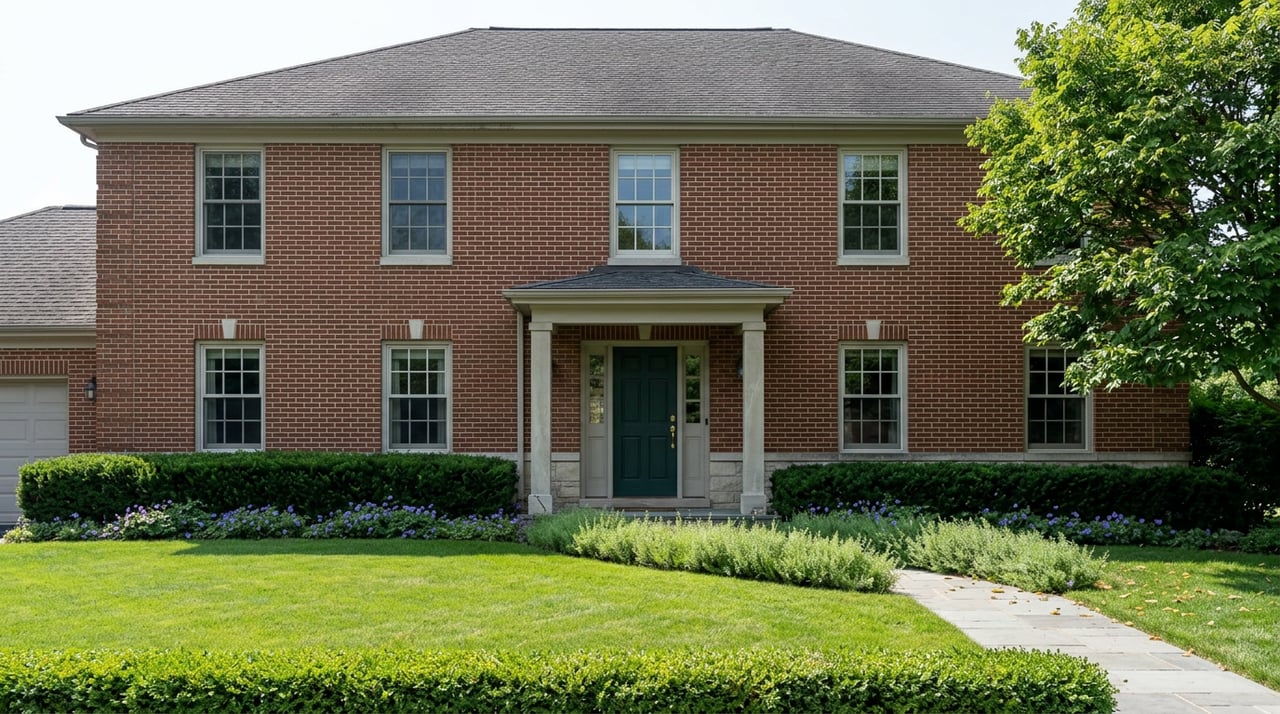
Lemont's Median Home Price Is Actually Three Different Markets Wearing One Number
September 3, 2026
September 3, 2026
A buyer scrolling listings in Lemont this month will see two houses that make no sense sitting on the same page. One is a two-bedroom cottage a few blocks from Stephen Street, priced in the low $300,000s. The other is a new-construction ranch in a subdivision on the village's edge, priced north of $650,000. Both carry a Lemont address. Both show up when a portal reports the village's "median home price." Neither one tells you anything useful about the other.
That's the thing to understand before you start comparing Lemont to Homer Glen, Naperville, or anywhere else on your shortlist. Lemont doesn't have one housing market. It has three, stitched together by a village boundary and reported as if they behave the same way. They don't share a price band, they don't share a governing body, and in the unincorporated pockets, they don't even share a tax structure. If you're pricing your move off a single median, you're averaging things that were never meant to be averaged.
Start with what actually controls a Lemont property once you own it, because that's the variable the median hides best.
In the historic downtown core, any exterior change visible from the street, a new porch, replacement windows, a different roofline, has to clear a Certificate of Appropriateness from the village's Historic Preservation Commission before work begins. That's not a suggestion. It's the mechanism that keeps the limestone storefronts and the Victorian and Queen Anne housing stock looking the way they've looked since the quarrying era that gave Lemont's Old Stone Church its stone.
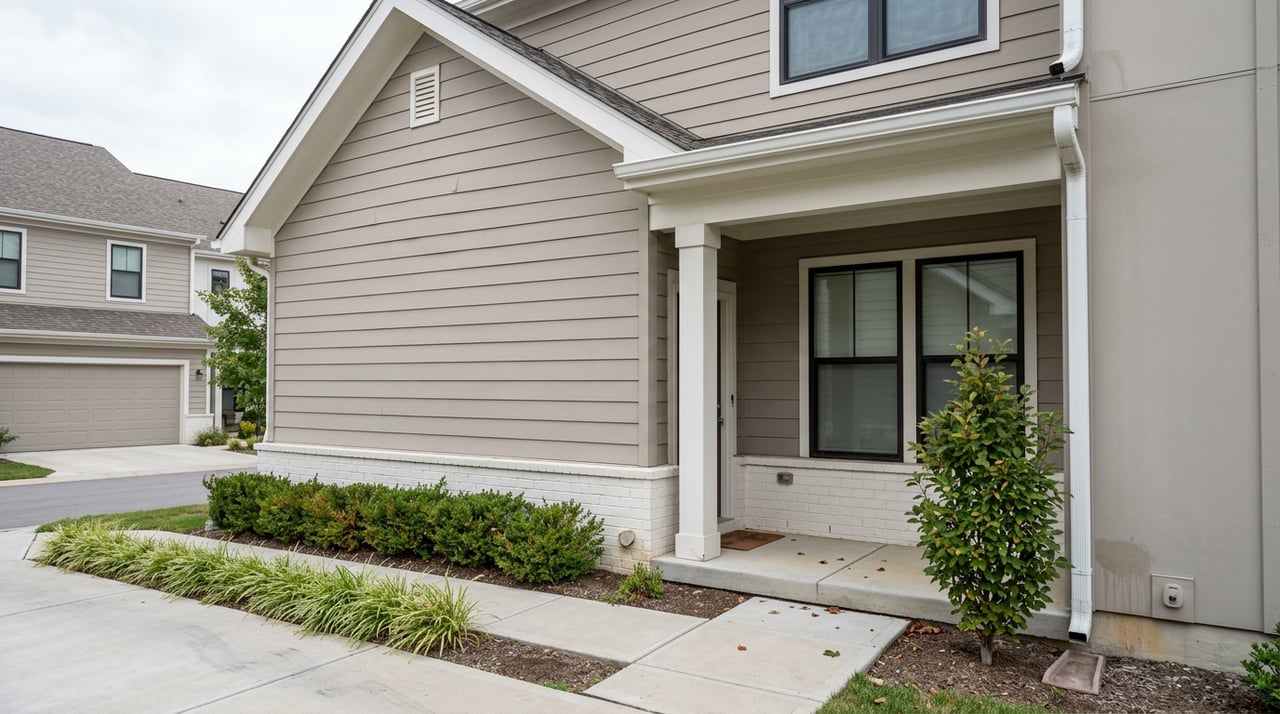
Out in the newer subdivisions, a different board makes that call. Reilly's Meadow, Gleneagles, the Villas at Rolling Meadows, and Estates of Montefiori all operate under homeowners association covenants, meaning an architectural review committee, not a village commission, decides what siding, fencing, or landscaping is allowed.
And in the unincorporated slice of Lemont, sometimes there's no board at all. A wooded half-acre lot on a cul-de-sac near Cog Hill Golf & Country Club, horse stables, The Forge Adventure Park, and Lemont High School was recently marketed with no covenants or restrictions attached, alongside lower unincorporated property taxes, because that parcel sits in Lemont Township rather than inside village limits.
Three different governing structures. Three different price bands. One reported median.
Redfin's neighborhood-level data for Downtown Lemont put the median sale price at $320,000 over the three months ending March 2026, up 8.5% from the same period a year earlier. Price per square foot came in at $195, down 11.1% year over year, which is its own small clue: prices are rising even as the per-square-foot value is compressing, consistent with smaller, older homes selling at a premium for location rather than square footage.
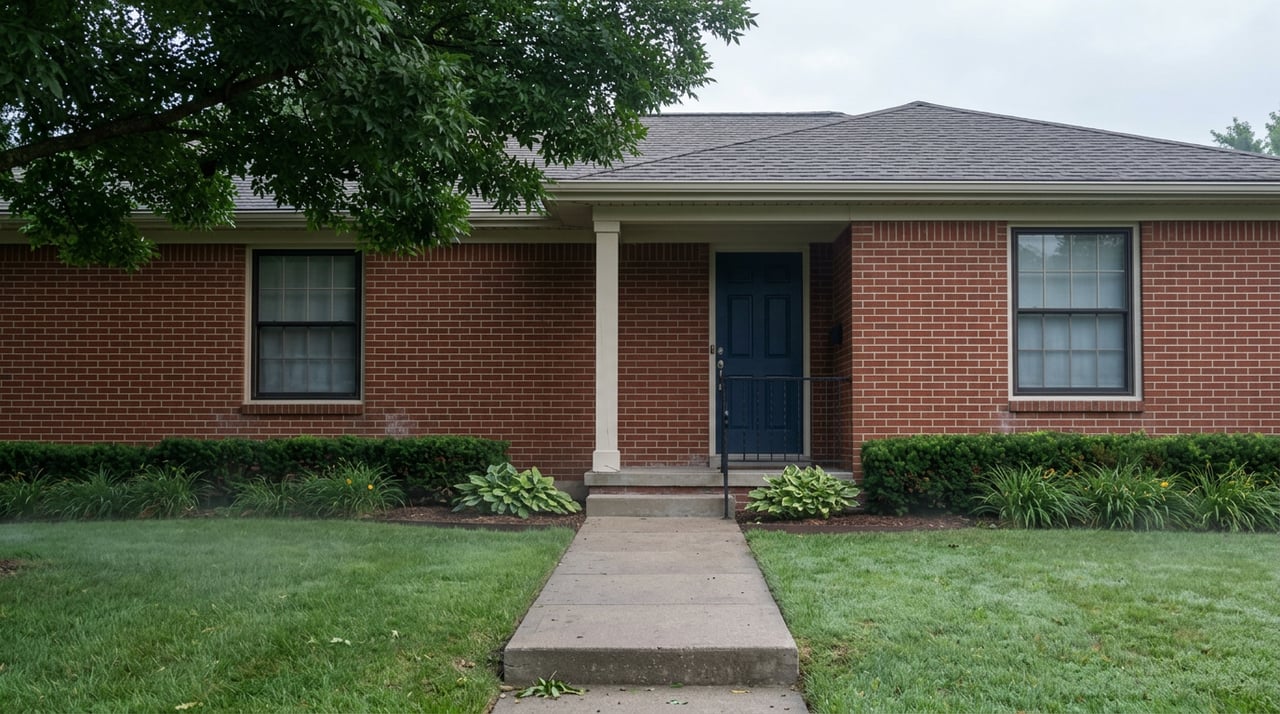
This is the walkable Lemont. Limestone trim, tight setbacks, a short walk to the Metra Heritage Corridor station and the shops along Stephen Street. It's also the Lemont where your dollar buys the least space and the most oversight. If you're drawn to this pocket because you want to be close to the canal towpath and downtown's everyday street life, budget for both the home price and the HPC review timeline if you plan to touch the exterior.
Move outward and the numbers climb fast. Movoto reported a median sold price of $650,000 in Lemont for July 2026, with 135 active listings and homes moving in a median of 42 days. Redfin's new-construction snapshot, pulled August 12, 2026, showed 18 new homes for sale in Lemont at a median listing price of $675,000.
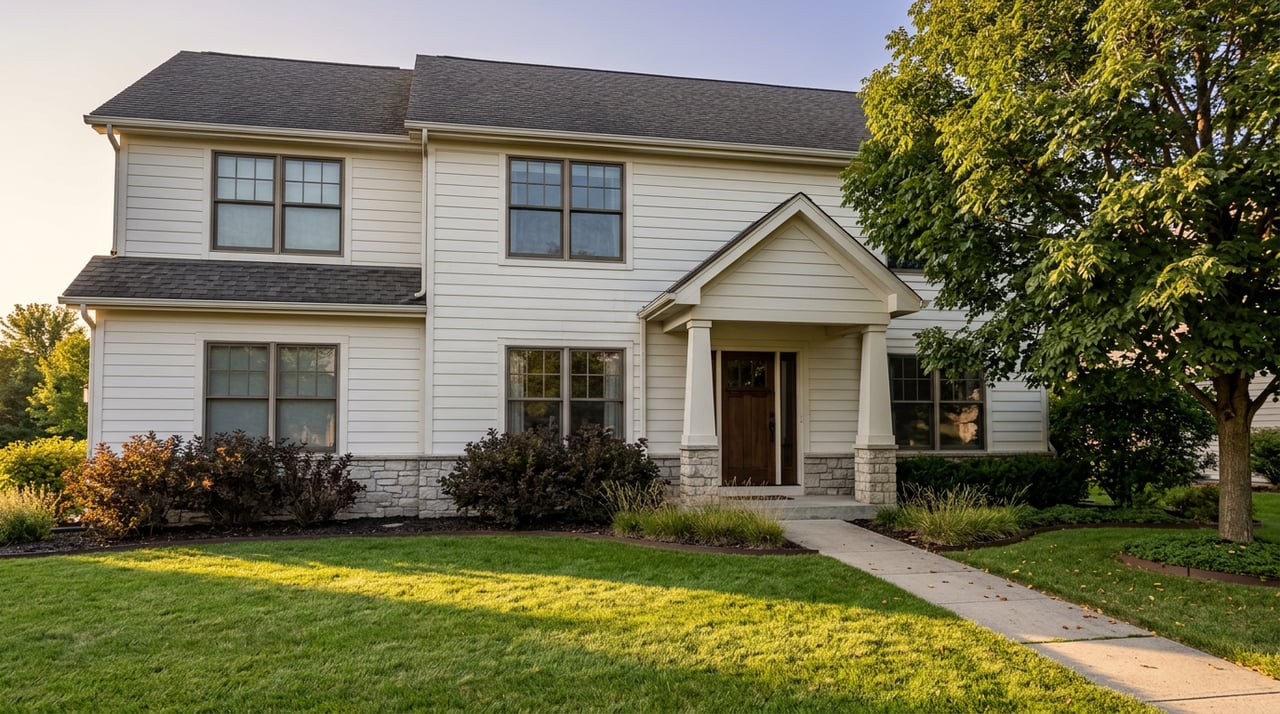
Gleneagles currently carries the most active new-construction listings of any Lemont subdivision. Reilly's Meadow, a 20-unit enclave of luxury ranch homes, opened with models starting at $499,990. These are HOA-governed communities: open floor plans, attached garages, and predictable maintenance in exchange for a monthly or annual assessment and an architectural committee with final say over exterior changes.
Zillow's villagewide average, meanwhile, sat at $592,841 as of June 30, 2026, up 7.6% over the past year, with homes going pending in around 13 days. That number lands between the downtown core and the new-construction edge, which is exactly the problem. It's a blend of two products that don't compete for the same buyer.
There's a third Lemont that most price reports never separate out at all: land and homes that sit in unincorporated Lemont Township rather than inside the village. One recent listing offered a 54,122-square-foot vacant parcel with 376 feet of frontage directly across from the CVS Pharmacy, city water and sewer already run to the site, with the village stating it's open to development ideas and prefers single-family use. Another, in the Cache Lakes area, offered a 1.61-acre wooded lot in a corridor known locally for larger, higher-end homes.
The appeal of unincorporated land is straightforward once you understand Illinois's layered property tax system. Every parcel pays county and township levies. Land inside an incorporated village pays an additional municipal levy on top of that. Unincorporated parcels skip the municipal layer entirely, which is why sellers in these pockets market lower property taxes as a selling point. What you give up is village-level services and, often, the predictability of village zoning enforcement. It's a real tradeoff, not a loophole, and it's worth confirming exact tax rates for any specific parcel through the Cook County Assessor's office before you assume the savings apply to your situation.
Part of why the blended median feels so disconnected from what you'll actually pay comes down to what makes up Lemont's housing stock in the first place. The median year built across the village is 1994. Nearly half of Lemont's homes were built between 1990 and 2009, and another 13.7% were built in 2010 or later. The historic downtown core, the part everyone pictures when they think "Lemont," is a minority slice of a much larger inventory that's mostly newer subdivision product.
That matters because a villagewide average is doing exactly what averages do: it's letting a large population of newer, higher-priced subdivision homes pull the number up, while a small population of older, smaller downtown sales pulls it down. Neither group is wrong about their own price. The average is just describing a market that doesn't exist as a single, coherent thing.
| Submarket | Recent price signal | Who approves exterior changes | Tax structure |
|---|---|---|---|
| Downtown historic core | $320K median sale, 3 months ending March 2026 | Historic Preservation Commission (Certificate of Appropriateness) | Village + county + township |
| New subdivisions (Gleneagles, Reilly's Meadow, Estates of Montefiori) | $650K to $675K median, mid-2026 | HOA architectural review committee | Village + county + township |
| Unincorporated parcels (Cache Lakes and similar) | Varies, priced per lot | No village board; often none at all | County + township only |
If a portal's "Lemont median" is the number you're using to decide whether this village fits your budget, ask which Lemont it's actually describing before you act on it.
Is Downtown Lemont cheaper because the homes are worse? No. It's smaller lots, older construction, and a design review layer that limits what a new owner can change. Age and oversight, not condition, explain most of the gap.
Do HOA fees make new construction more expensive than it looks? The purchase price and the assessment are separate line items. Ask for the current HOA budget and reserve study before comparing a subdivision price to a downtown price on a monthly-cost basis.
Can I build on unincorporated land inside Lemont's boundaries without village approval? Cook County and Lemont Township still have jurisdiction, and building permits are still required. What changes is that the village's zoning and design review authority generally doesn't apply the same way. Confirm the specific parcel's taxing body and permitting authority before you buy.
If you're trying to figure out which of these three Lemonts actually fits your budget, your renovation plans, and your patience for review boards, that's exactly the kind of comparison Carla Gorman walks clients through parcel by parcel, not average by average. Let's Connect and figure out which number in this article is actually yours.
Stay up to date on the latest real estate trends.
My experience and dedication allows my clients to achieve their goals in the shortest amount of time with the highest investment. Whether you are a first-time home buyer or a seasoned seller, I will bring energy, experience, and integrity to your next real estate venture. Contact me today to begin your real estate experience!