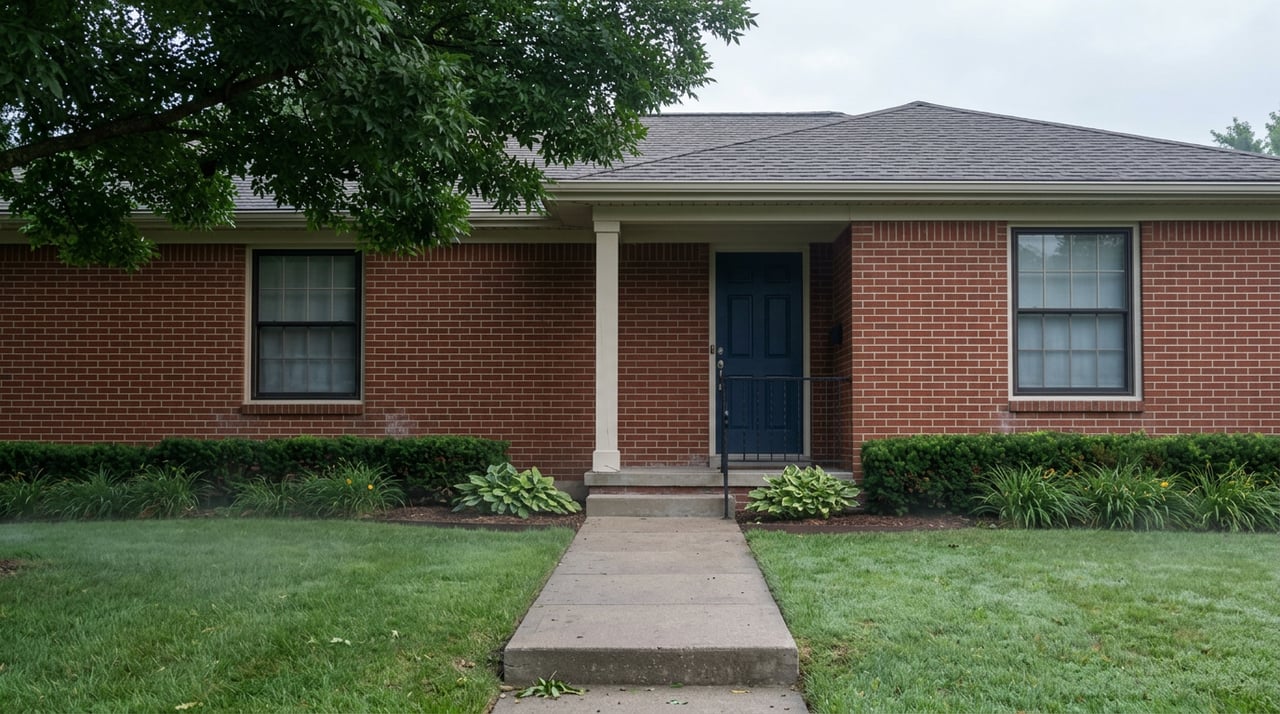
Tinley Park Home Inspection Rules for Sellers Explained
August 27, 2026
August 27, 2026
Somewhere between packing boxes and picking a closing date, a lot of Tinley Park sellers ask the same question: will the village send someone to inspect my house before I'm allowed to sell it? It's a reasonable thing to wonder. Plenty of Chicagoland suburbs run exactly that kind of program, and if you've sold a home in one of them before, or a neighbor mentioned theirs, it's easy to assume every village does the same thing.
Tinley Park doesn't. For a standard single-family resale, the Village does not require a point-of-sale inspection before you close, and right now it doesn't charge a municipal transfer tax either, according to the ordinance table maintained by the Attorneys' Title Guaranty Fund, last confirmed with the municipality in March 2025. That's the short answer. The longer, more useful answer is why so many sellers assume otherwise, what the Village asks you to do instead, and where the real friction in a Tinley Park closing actually sits. It isn't at Village Hall. It's in paperwork every Illinois seller owes no matter which town they live in.
The confusion isn't random. Older reference sheets that title companies and closers have circulated for years list a "$250 Inspection" fee next to Tinley Park's contact information, and if you're skimming a multi-page PDF, it's easy to read that fee as belonging to the Village rather than to the entry listed just below it. Current data doesn't support a standing single-family inspection requirement, and neither does the Village's own code once you read the sections that actually govern transfer stamps.
That code is worth a look, because it explains the myth better than any secondhand story does. The Village's ordinance on transfer stamps requires a Real Estate Transfer Declaration on every deed recorded in the village, and gives the Village up to five business days to process that request once it's filed. A separate section lets the Village refuse to issue the stamp if a seller fails to comply with a required inspection or files an inaccurate declaration. Read quickly, that sounds like proof an inspection is coming. Read carefully, it's a contingency clause, not a routine step. It gives the Village a tool to use if a property has an open compliance problem. It isn't the default gate every seller walks through.
Strip away the assumption and the actual Village-level checklist is short. Before closing, you need a final water meter reading, and the bill needs to be paid in full to get a clear transfer status. If you're selling a condo, your association typically handles this directly, along with the Paid Assessment Letter your buyer's attorney will ask for to confirm your dues are current.
That's essentially the list. No village inspector walking your basement. No punch list of code violations to clear before you're allowed to close. Just a utility account settled and, if you're in an association, a letter confirming your standing with it.
The one place this gets more involved is a change of use or ownership on a non-single-family property, which is where some of the inspection stories sellers hear probably originate. When a rental, multi-family building, or commercial space changes hands, the Village requires a Change of Use/Owner permit application, currently a $50 fee, and inspectors from building, plumbing, electrical, public works, planning, and fire prevention review the common areas before a new certificate of occupancy is issued. If a friend mentioned an inspector coming through before their sale closed, there's a good chance they were selling a duplex or a rental conversion, not a standard single-family home. The rule genuinely differs by property type, and it's worth confirming which category yours falls into with the Building Department before you assume either version applies to you.
Here's the part that actually matters for your timeline, and it has nothing to do with Tinley Park specifically. Illinois requires the same seller disclosures whether you're closing in Tinley Park, Orland Park, or anywhere else in the state. You'll need to complete a Residential Real Property Disclosure Report covering material defects you're aware of, a radon disclosure, and a lead-based paint disclosure if your home was built before 1978. None of these depend on whether the Village inspects anything. They're state-level obligations, and they're where buyers actually raise questions and request repairs during a transaction, not at some village checkpoint that doesn't exist for most resales.
That distinction is the thing worth sitting with. The paperwork sellers worry about, the village inspection, mostly isn't required. The paperwork that actually shapes negotiations, the state disclosure package, gets skipped over in casual conversation because it applies everywhere and doesn't feel like a local quirk. It's the quieter requirement, but it's the one that follows you no matter where in Illinois you sell.
Because Tinley Park doesn't add its own transfer tax right now, the transfer-tax math you're working with is simply the state and county layers that apply everywhere in Illinois. The state charges sellers $1.00 per $1,000 of the sale price, and Illinois counties, Cook and Will included, each add $0.50 per $1,000 on top of that. Tinley Park sits across both counties, so your specific parcel's paperwork routes through whichever recorder's office covers your side of the village line, but the transfer tax rate itself doesn't change depending on which county you're in.
Practically, that means your net proceeds sheet shouldn't have a village transfer tax or a village inspection fee sitting on it as a line item, because right now neither applies to a typical single-family sale. What it should account for is the final water bill being settled early, since utility departments don't always turn readings around same day, and the five business day window the Village's own ordinance allows for processing your transfer declaration once it's submitted. Neither is a large obstacle. Both are the kind of small timing detail that catches sellers off guard when they assumed the only thing standing between them and closing was a village inspector who was never coming.
Do I need a village inspection to sell my house in Tinley Park? Not for a standard single-family resale under current Village practice. The ordinance keeps the authority to require one in cases of compliance failure, but it isn't a routine step for typical sales.
What does the Village actually require before I close? A final water meter reading with the bill paid in full, and if you're in a condo or HOA, a Paid Assessment Letter confirming your dues are current.
Do I still need to complete Illinois's seller disclosures? Yes, always. The Residential Real Property Disclosure Report, the radon disclosure, and a lead-based paint disclosure for homes built before 1978 apply statewide and have nothing to do with village policy.
Is selling a rental or duplex different? Yes. Non-single-family properties go through the Village's Change of Use/Owner process, which does include a multi-department inspection of common areas before a new certificate of occupancy is issued.
Selling a home is stressful enough without budgeting time and worry for a step that doesn't apply to your situation. If you're getting ready to list in Tinley Park and want a clear, honest read on what your specific closing actually requires, Carla Gorman can walk through it with you line by line. Let's Connect.
Stay up to date on the latest real estate trends.


My experience and dedication allows my clients to achieve their goals in the shortest amount of time with the highest investment. Whether you are a first-time home buyer or a seasoned seller, I will bring energy, experience, and integrity to your next real estate venture. Contact me today to begin your real estate experience!